
The Right Pillow: What the Evidence Shows for Neck Pain
Pillow height and shape determine the alignment of the cervical spine – not the marketing. A systematic review shows that the right pillow can reduce neck pain and waking symptoms; general sleep quality, by contrast, changes little. In comparative studies, latex pillows performed best. The right height is individual: side sleepers need more, back sleepers less.
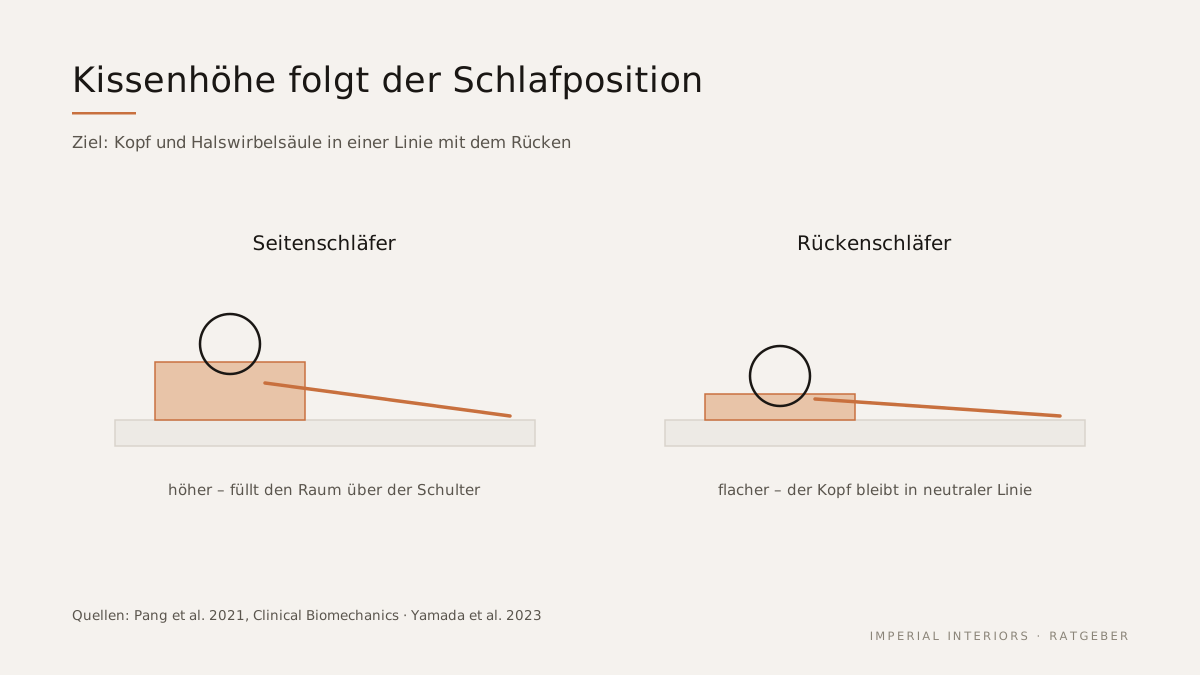
What a Pillow Has to Do
The task is geometric: the pillow fills the space between head and mattress so that the cervical spine continues the line of the rest of the spine. In the side position this space is large because of shoulder width – the pillow must be higher and more shape-stable. Lying on the back it is small – the pillow stays flat so the head does not tip forward. A systematic review with meta-analysis confirms: the alignment of the cervical spine is determined primarily by the pillow's shape and height, not by its material.
The Honest Balance Sheet of Pillow Research
The evidence on pillows is thinner overall than on mattresses: small samples, short time frames, incomplete blinding. Within these limits, however, the results are consistent: the right pillow reduces neck pain, waking symptoms and neck-related disability and increases satisfaction – yet it does not measurably improve general sleep quality. So if you are buying a pillow to “sleep better”, you should refine that expectation: it is about a more relaxed neck and waking with fewer complaints.
Material: What Comparative Studies Show
In a blinded field trial, 106 side sleepers tested five pillow types for one week each. Latex pillows performed best – with the lowest rates of morning headaches and shoulder and arm complaints. Feather pillows showed the least favourable results in this study, and a contoured foam pillow offered no advantage over regular foam. The later review also confirms latex and spring pillows as effective options for chronic neck pain. It remains important: these are material-class comparisons from limited studies – individual fit plays its part in the decision.
Finding the Right Height
There is no universal centimetre figure. A Japanese study adjusted pillow height individually to body build and neck inclination – the optimal heights ranged from roughly 5.5 to 8.5 centimetres depending on the person, and the adjustment clearly reduced neck pain. In practical terms: test the height on your own body, ideally on the mattress you sleep on – because how deep the shoulder sinks in changes the pillow height you need. Height-adjustable pillows with removable layers make this adjustment easy at home.
Buying Advice at a Glance
- Clarify your sleeping position first: side sleepers need a higher, more supportive pillow, back sleepers a flatter one.
- Always judge the pillow together with the mattress – the shoulder's sink-in depth changes the right height.
- For neck complaints, latex pillows are the best-documented material choice.
- Height-adjustable pillows allow fine-tuning at home.
- Keep expectations realistic: fewer neck and waking complaints – not automatically “better sleep”.
Frequently asked questions
Which pillow material has the best evidence for neck pain?
Latex: in a blinded comparison of five pillow types, latex pillows performed best for waking headaches and shoulder/arm complaints; a systematic review also confirms latex pillows as an effective option for chronic neck pain.
How high should my pillow be?
High enough for the cervical spine to continue the line of the spine: higher in the side position (the shoulder space must be filled), flat when lying on your back. No universal figure exists – in one study, the individually optimal heights ranged from roughly 5.5 to 8.5 cm.
Can the right pillow improve my sleep?
It can reduce neck pain and waking symptoms – that is documented. General sleep quality, however, did not change measurably in the meta-analysis. The honest expectation: a more relaxed neck rather than a miracle effect.
Sources & studies
The factual statements in this article are based on the following sources — each framed in the text as a study, testing institute, official figure, convention or manufacturer information:
- Gordon SJ et al. (2010): Pillow use – the behavior of cervical stiffness, headache and scapular/arm pain. Journal of Pain Research 3:137–145.
- Pang JCY et al. (2021): The effects of pillow designs on neck pain, waking symptoms, neck disability, sleep quality and spinal alignment – systematic review and meta-analysis. Clinical Biomechanics 85:105353.
- Yamada et al. (2023): Changes in neck pain and somatic symptoms before and after the adjustment of the pillow height. J Physical Therapy Science 35(2):106–113.
Note: This article provides general knowledge and does not replace medical advice. Persistent complaints should be clarified by a doctor.
Prefer personal advice?
Initial consultation, first home visit and initial concept are free and non-binding. Try our beds any time in the showroom at Nüschelerstrasse 30, Zurich.